Still Clogged After DIY? A Troubleshooting Path for Mauá Drains
You are standing over the drain again, plunger in hand, and the water has not moved. Maybe it gurgled once and then settled back to the same level. This article assumes the easy fixes already failed: the plunger, the hot water, the store-bought snake, maybe a chemical drain opener. If you are in Mauá and the clog keeps coming back, the problem is likely deeper than a surface block, and guessing further can damage pipes or waste money. Below is a troubleshooting path that helps you read the symptoms, understand what they mean, and decide when it is time to call a professional desentupidora Mauá.
Why DIY Fixes Fail on Mauá Drains
Most store-bought solutions are designed for a simple hair or soap clog near the drain opening. In Mauá, many homes and commercial buildings sit on older pipe networks where grease, sediment, roots, or collapsed sections create a blockage further down the line. A plunger only moves water back and forth; it cannot break up a grease dam or push past a root intrusion. A hand snake may pierce a small hole, but the clog often closes again within days.
Recurring clogs are a symptom, not the problem itself. If water drains slowly after every DIY attempt, the blockage is probably in the main branch line or the sewer connection, not in the fixture trap. Chemical openers can make things worse by corroding older pipes and creating heat that damages PVC joints. This is why a second failure is a signal to stop and diagnose rather than repeat the same method.
Reading the Symptoms: What Your Drain Is Telling You
Before you call anyone, pay attention to how the drain behaves. The pattern of failure points to different causes and different repair approaches. Below are the most common scenarios a desentupidora Mauá SP team encounters in the region.
Water backs up in multiple fixtures at once
If the kitchen sink, bathroom sink, and shower all drain slowly or back up together, the clog is in a shared branch line. This is common in older buildings where grease and soap scum accumulate over years. A single-fixture clog stays local; a multi-fixture clog means the main horizontal run is partially blocked. What this means: the blockage is beyond the reach of a plunger, and you need a camera inspection or hydrojetting to clear the line properly.
Gurgling sounds and sewer smell
Gurgling after water drains, or a persistent sewer odor, suggests a venting problem or a partial blockage in the main sewer line. In Mauá, heavy rainfall can also overload the municipal system and push water back into private lines. What this means: this is not a simple clog. It can indicate a blocked vent stack or a sagging pipe that traps water. A professional can test the vent and inspect the line before the problem escalates into a backup.
Slow drainage that returns after a few days
You snake the drain, it flows for a day or two, then slows again. This pattern usually means the clog was only pierced, not removed. Grease or sediment closes the small hole the snake made. What this means: the line needs full-bore cleaning, such as hydrojetting, which scours the pipe walls instead of punching a hole. Repeating the snake will keep giving you the same temporary result.
When to Stop DIY and Call a Professional
There is a clear line between a maintenance clog and a problem that requires equipment you cannot buy at a hardware store. Stop DIY and call a professional if any of the following apply:
- Water backs up in more than one fixture.
- You smell sewage inside the home or near the drain.
- The clog returns within a week of snaking.
- You have already used a chemical opener and the drain is still blocked.
- Water rises in the shower when you flush the toilet.
- You notice a soft spot or damp patch on the floor near the drain.
These signs point to a main line blockage, a broken pipe, or a sewer connection issue. Continuing to plunge or snake can push wastewater into other parts of the system or damage joints. A desentupidora em Mauá SP has the cameras, jetters, and experience to locate the blockage without guesswork.
What a Professional Diagnosis Looks Like
A proper diagnosis starts with questions about the symptoms and the history of the drain. The technician then inspects the accessible cleanouts and may run a camera through the line. This step is important because it shows the exact location and nature of the blockage: grease, roots, scale, or a collapsed section. Without a camera, any repair is a guess.
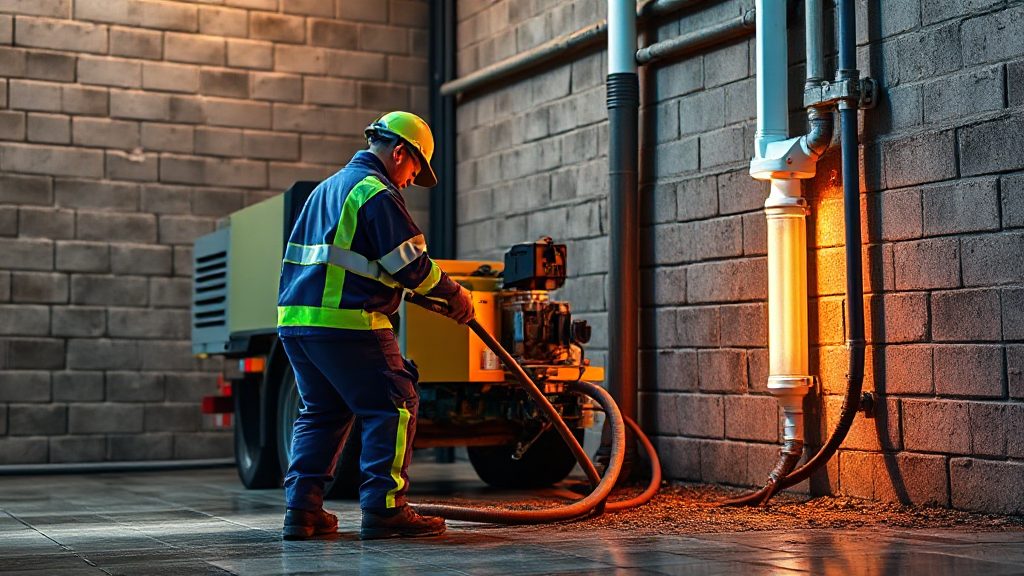
Once the cause is known, the technician selects the method. A high-pressure jetter is used for grease and sediment. A root cutter may be needed for tree roots. If the pipe is collapsed, the solution may involve excavation or trenchless repair. A camera inspection is the difference between a temporary fix and a lasting repair. Ask whether the diagnosis includes a camera check and a written report, especially if you are a tenant or a building manager.
Preventing the Next Clog After the Repair
Once the line is clear, a few habits reduce the chance of a repeat. Never pour cooking grease down the sink; collect it in a container and dispose of it in the trash. Use drain screens in showers and sinks to catch hair and debris. If you have older pipes, schedule a preventive cleaning every year or two, before a blockage forms. In buildings with shared lines, a maintenance plan for the whole system is more effective than reacting to each unit separately.
Keep a record of the repair: what was found, what method was used, and the date. If the same clog returns, the record helps the next technician understand the history quickly. Prevention is cheaper than emergency repair, especially when a main line backup damages flooring or walls.
Triage Table: Matching Your Situation to the Next Step
Use this triage guide as a quick reference. If the drain failed once and the plunger worked, you may be in the maintenance zone. If it failed twice or more, you are likely past DIY. If water backs up in multiple fixtures, stop using water and call for emergency service. If you smell sewage, treat it as urgent. If the clog returns within days, you need a camera inspection and full cleaning, not another snake. If you have already used chemicals, mention it when you call, because the technician needs to know before working on the line. For any of these situations, a professional desentupidora in Mauá can assess the line and recommend the right method without unnecessary damage.